
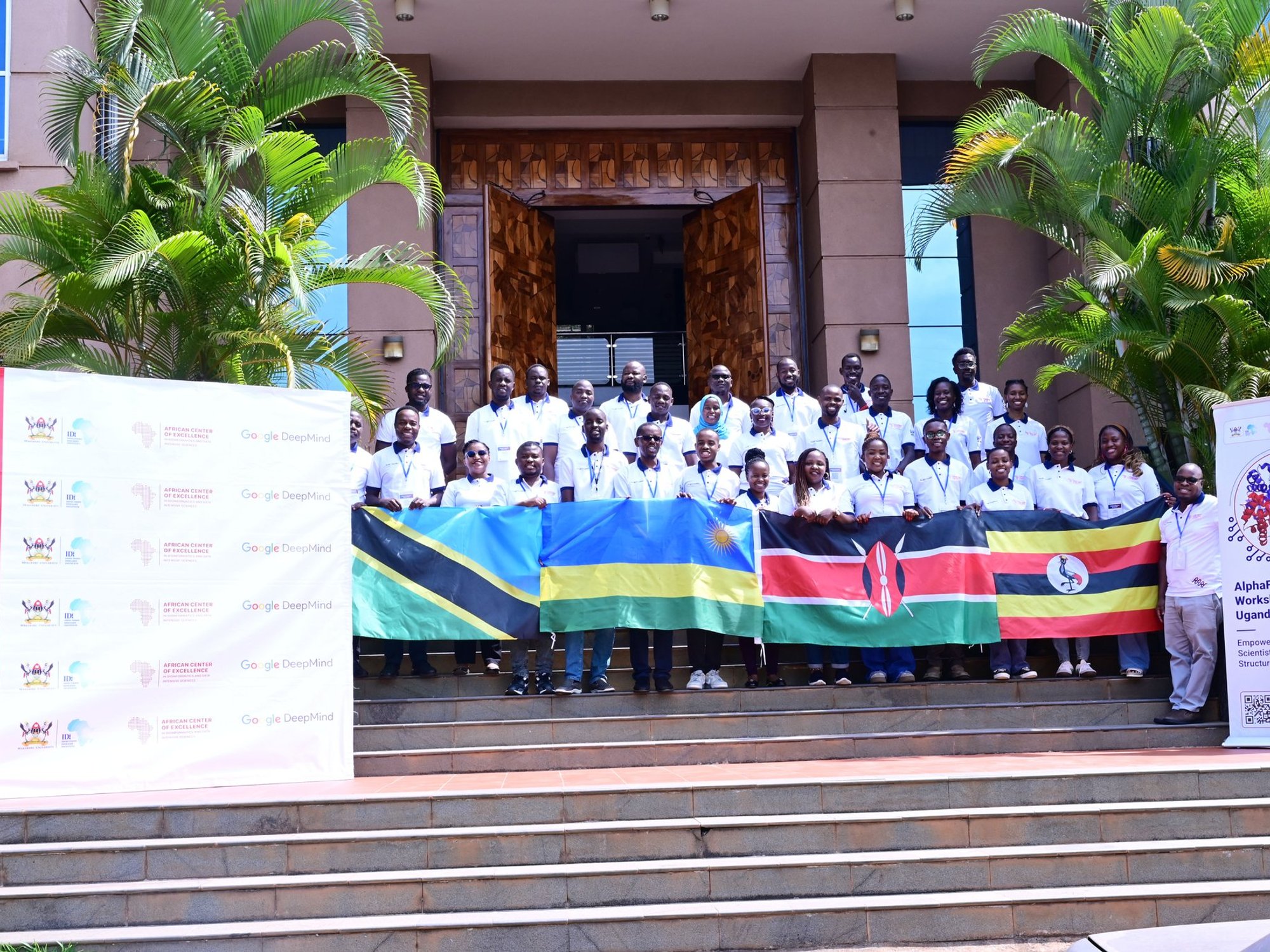



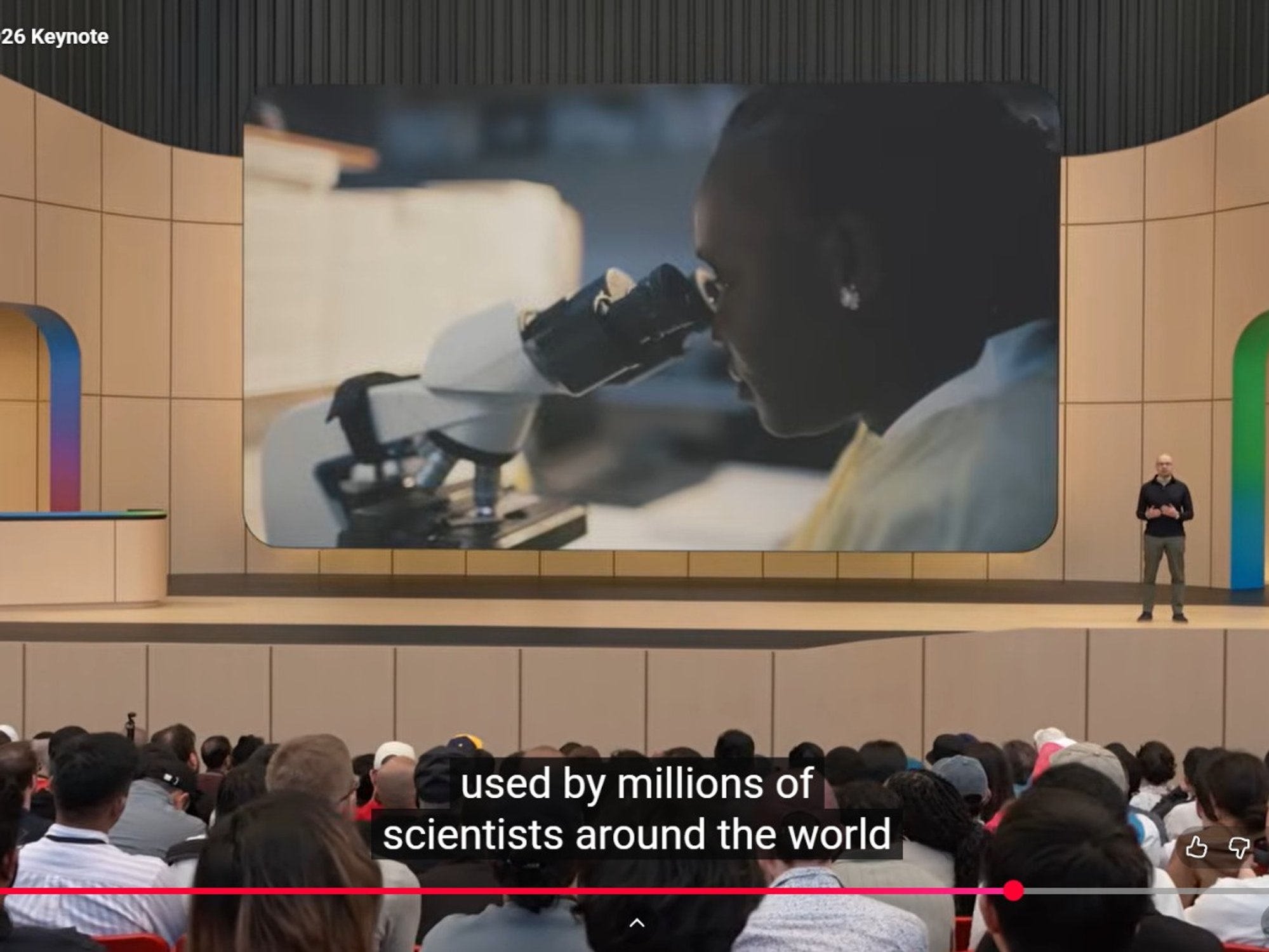












🎆BIG NEWS! ACE-Uganda's work has been featured by @Google at their Google I/O 2026. This is what African-led research looks like on the global stage.Very proud of the team! Watch this at youtube.com/watch?v=Tzf1z6… @IDIMakerere @Makerere @akambugu @Daudi_j @GaliwangoR

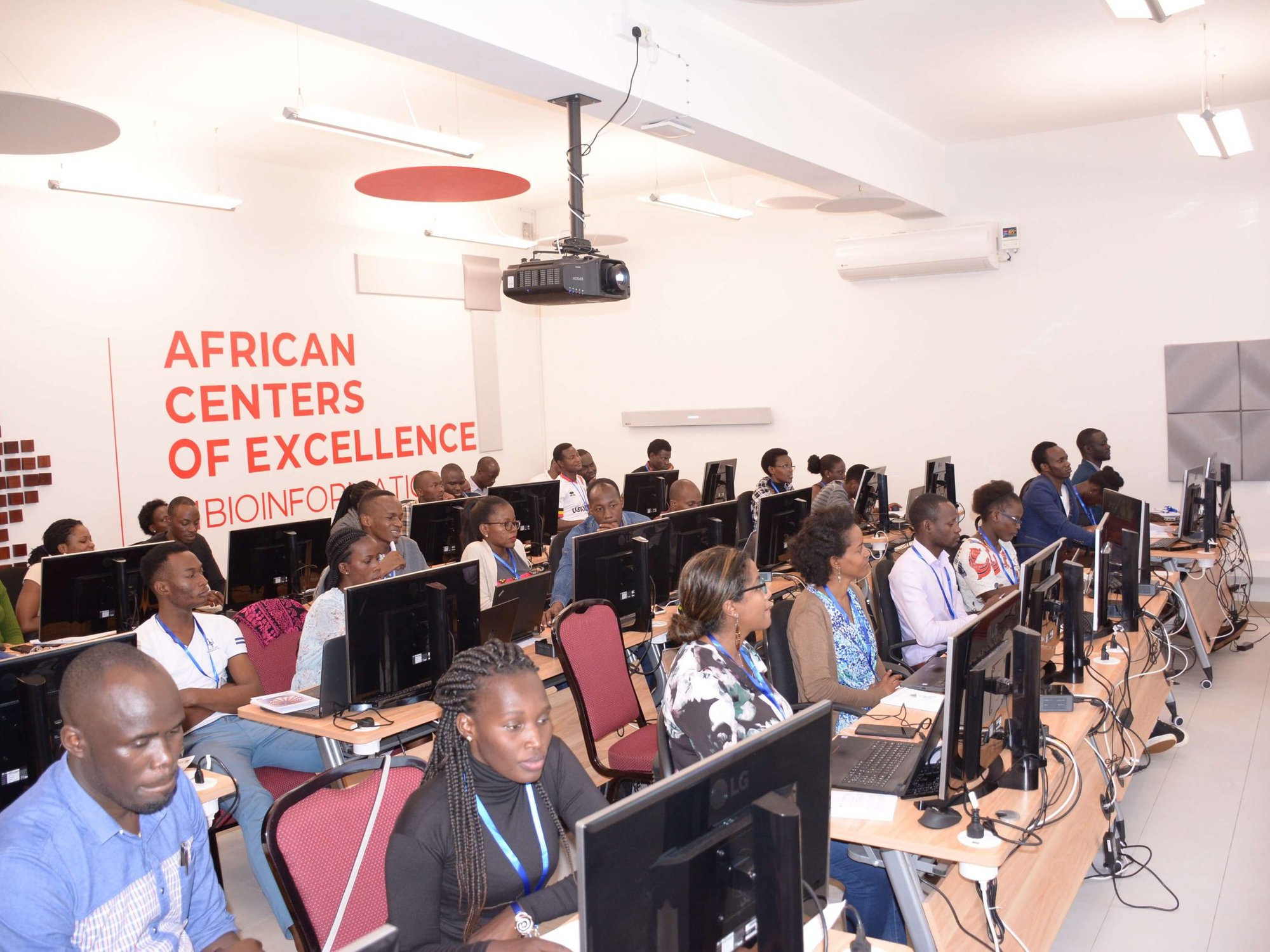
African Center of Excellence in Bioinformatics & Data Intensive Sciences
Advancing Health through Research and Innovation
Infectious Diseases Institute at Makerere University, has received $2 million as part of Google.org’s $20 million AI for Science Fund to support organizations focused on cutting-edge AI for science research.
Learn MoreWhat We Do
Advancing computational research and data science.
We are a sustainable center of excellence that leverages Computational Science to support Research and Training that enhances health.

Excellence in Research
Conducting groundbreaking research in antimicrobial resistance, human genomics, cancer research, and data science to address critical health challenges in Africa.

Advanced Training
Offering MSc and PhD training, internships, and short courses to build capacity and train the next generation of African scientists in bioinformatics and data science.

State-of-the-Art Infrastructure
Operating a 56-node High Performance Computing cluster and an innovative VR laboratory driving advancements in health education, visualization, and emergency response training.
Thematic Areas
Focused on Critical Health Challenges
Our research addresses the most pressing health issues through innovative computational approaches and interdisciplinary collaboration.

Enhanced Visualization
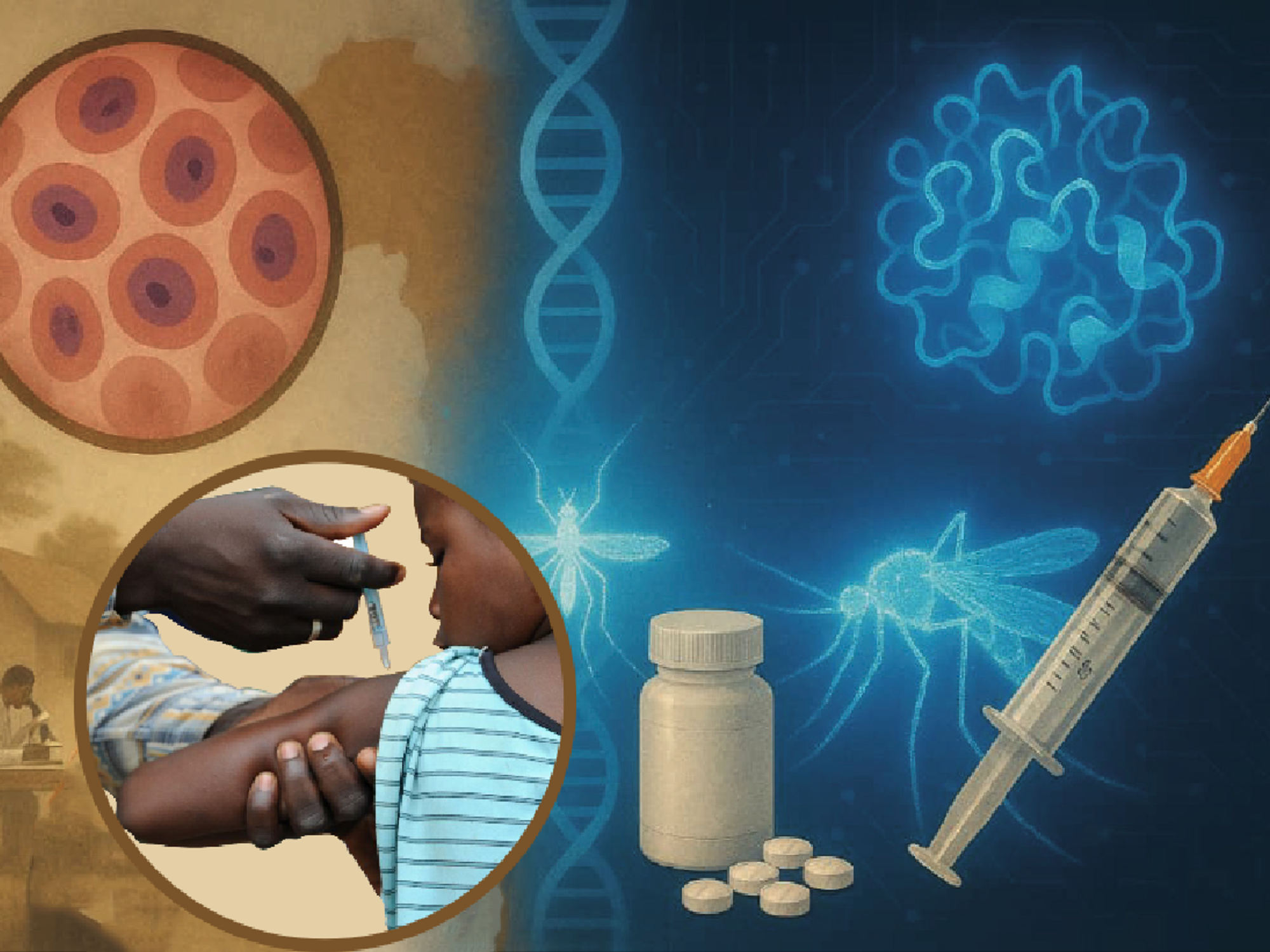
Step inside AlphaFold-generated protein structures to visualize malaria at the atomic level, while utilizing immersive simulations to train emergency health personnel in critical, life-saving CPR responses.

High-Performance Computing
Providing state-of-the-art computational infrastructure and expertise to enable large-scale scientific computing and data-intensive research across Africa.
Our Impact in Numbers
Building capacity and advancing scientific discovery.
- Bioinformatics Students
- 150+
- Research Projects
- 20+
- Publications
- 120+
- Partner Institutions
- 17
MSc and PhD students trained
Active collaborative research initiatives
Peer-reviewed scientific publications
International and regional collaborations
Partnerships
Collaborating for Greater Impact
Working with leading institutions and organizations worldwide to advance our mission


ACE Uganda & Google DeepMind Partnership
We are proud to partner with Google DeepMind to leverage cutting-edge AI and machine learning technologies in our research initiatives. This collaboration enables us to tackle complex health challenges using state-of-the-art computational methods and advance scientific discovery in Africa.
Social & Stories
What we're sharing and writing about right now
From Our Socials
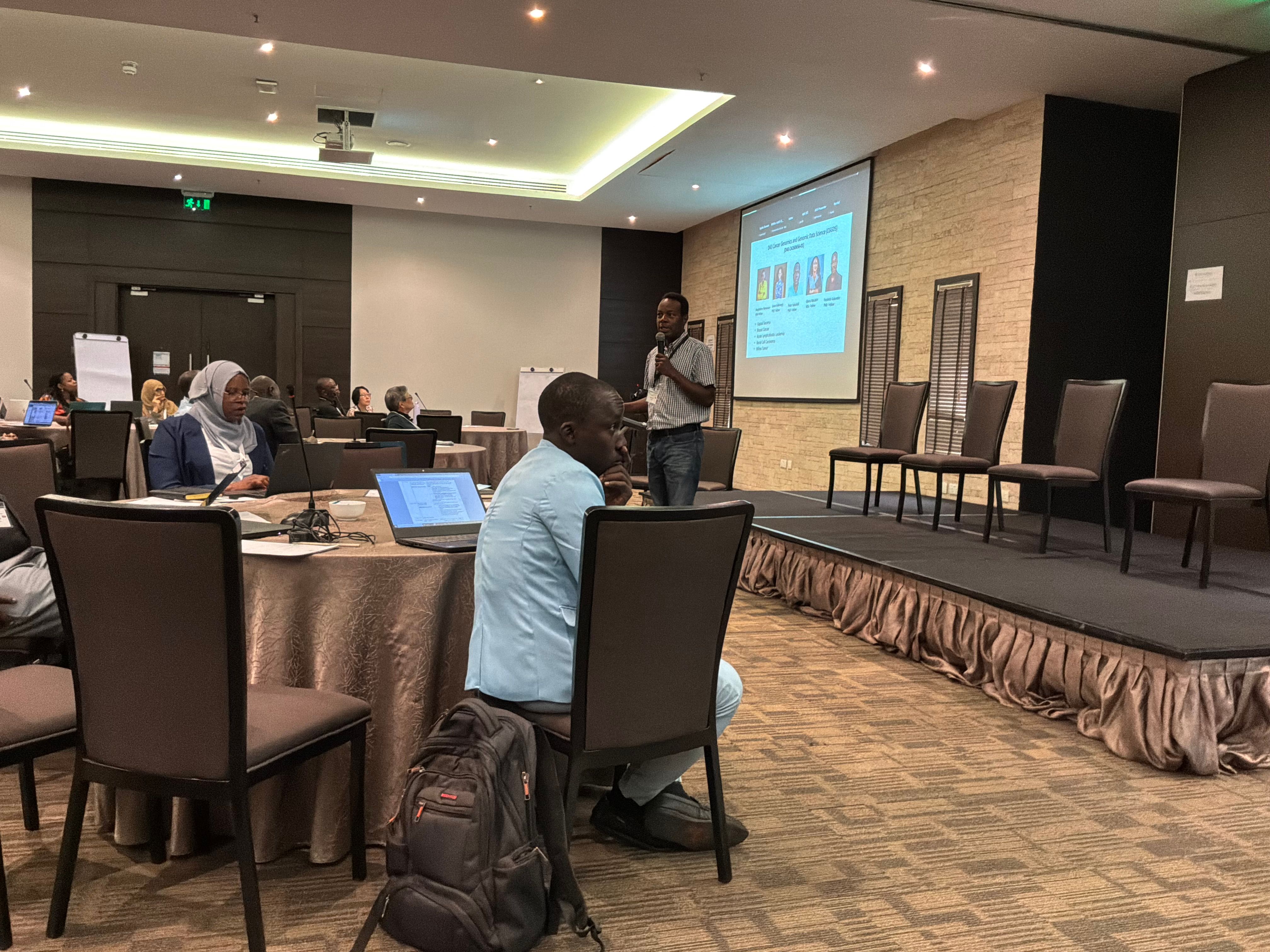
In this video, Dr. Daudi Jjingo shares how groundbreaking research at Uganda’s African Center of Excellence is helping drive progress in breast and lung cancer studies. Through collaboration with Seattle’s Fred Hutch Cancer Institute, scientists are bringing discoveries closer to Show more
Running Stories

21 July 2026
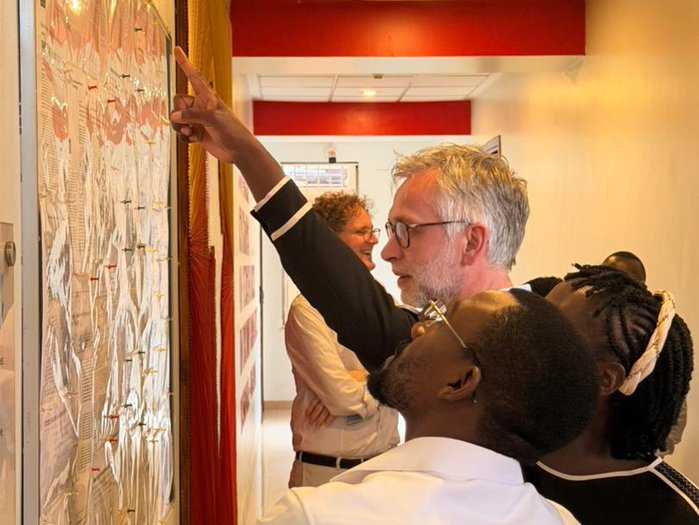
Prof. Sir John Edmunds Visits ACE Uganda to Explore Innovations in Genomic Research.
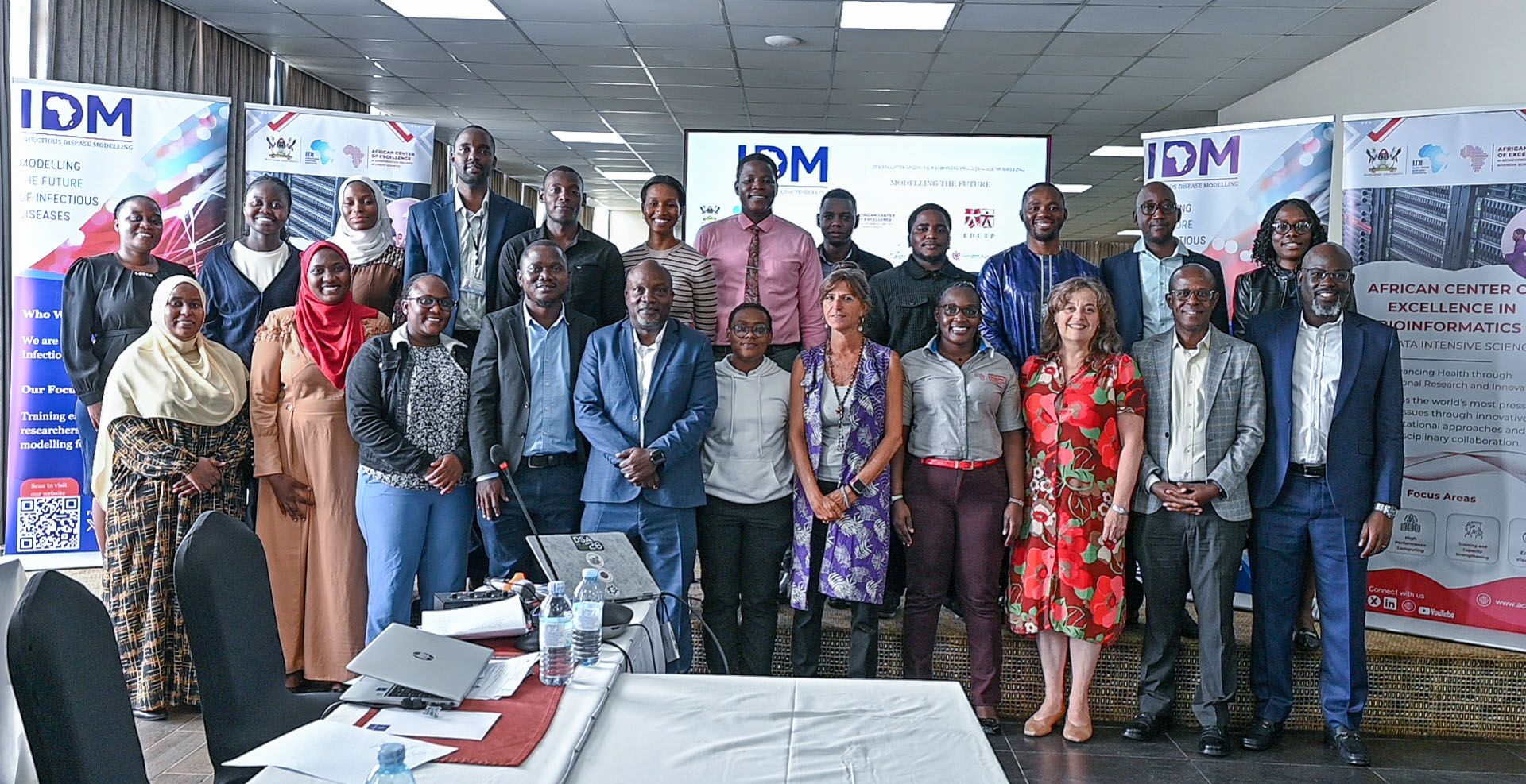
Researchers demonstrated cutting-edge work that is helping answer critical questions about infectious disease outbreaks from understanding how Ebola treatments could work across different virus strains to predicting future outbreaks before they occur.

15 June 2026
ACE-Uganda Hosts Prof. Samuel Flores on a Courtesy Visit
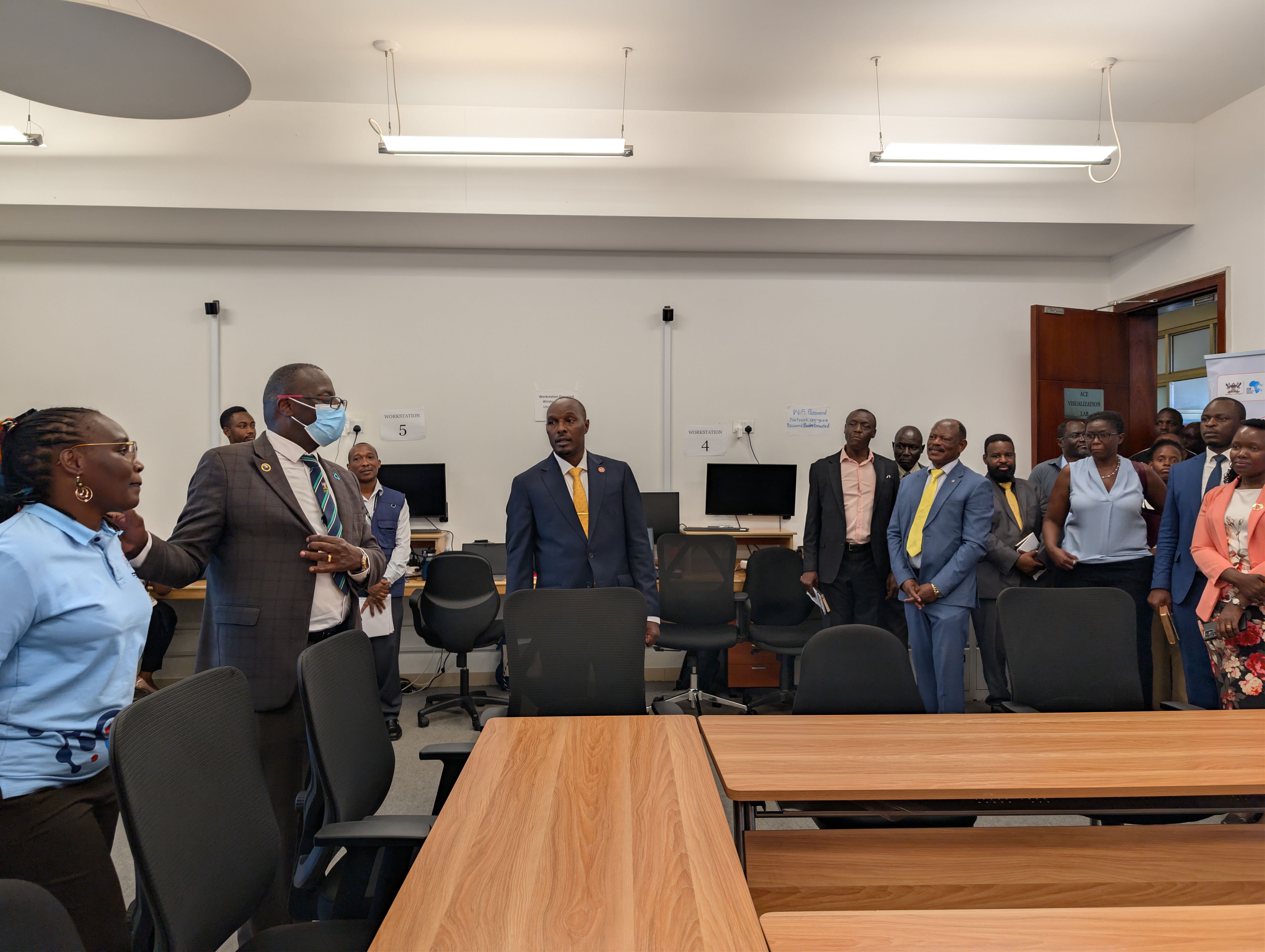
During the visit, the delegation toured ACE-Uganda's facilities, including the High-Performance Computing (HPC) cluster, the VR Lab, and the Telelearning Facility. They also held discussions with the ACE team to learn more about the Center's training programmes, research projects, and the broader bioinformatics ecosystem in Uganda.

18 March 2026
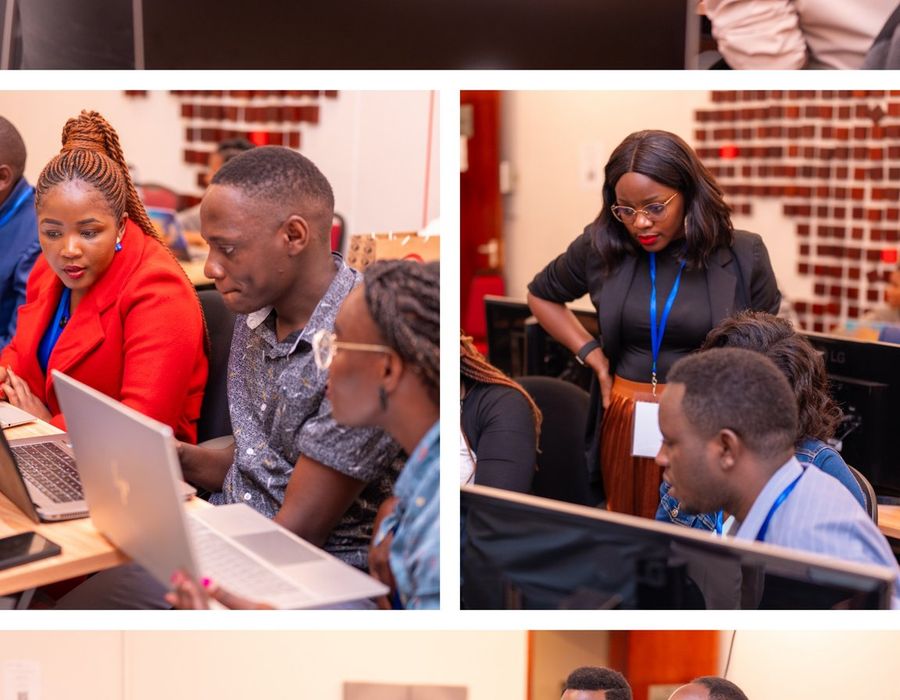
ACE-Uganda Hosts Milestone AI & AMR Symposium 2026
Over two days, researchers, policymakers, students, and global health leaders from over 17 institutions and 10 countries, gathered to explore one of the most urgent questions in modern medicine: How can AI help us stay ahead of the growing threat of antimicrobial resistance?